HICLOVER Incinerator: Advanced Thermal Destruction Systems for Global Waste Management Challenges
HICLOVER Incinerator: Advanced Thermal Destruction Systems for Global Waste Management Challenges
The Engineering Foundations of Modern Waste Incineration Technology
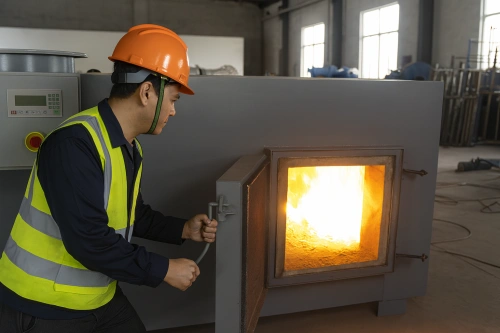
The management of hazardous, medical, and animal waste presents significant challenges across diverse global environments. **Waste incinerators** have emerged as critical infrastructure components in addressing these challenges through thermal destruction processes that reduce waste volume while neutralizing biological and chemical hazards. **HICLOVER Incinerator waste incinerators** represent the culmination of decades of thermal engineering advancement, offering comprehensive solutions from compact **300 kg incinerator** units to industrial-scale systems designed for continuous operation. These systems operate on pyrolytic principles, where controlled combustion occurs in oxygen-limited environments at precisely maintained temperatures between 850-1200°C, ensuring complete pathogen destruction and minimal harmful emissions.
The technical foundations of modern **waste incinerator** design incorporate dual-chamber combustion systems, where primary chambers facilitate initial waste reduction while secondary chambers ensure complete thermal breakdown of particulates and gases. This approach aligns with World Health Organization guidelines and international emission standards for **medical waste furnace** operations. The engineering precision required for these systems demands specialized manufacturing capabilities that few companies can deliver consistently across global markets.
Dual-Chamber Technology: The Core of Effective Thermal Waste Processing
At the heart of HICLOVER’s thermal destruction systems lies the dual-chamber configuration, essential for meeting stringent environmental standards. The primary chamber operates at controlled temperatures between 800-900°C, initiating the waste breakdown process. This chamber features specialized refractory materials capable of withstanding extreme thermal conditions while maintaining structural integrity over thousands of operational hours.
The secondary chamber, operating at higher temperatures of 950-1200°C, represents the critical component in emissions control. Here, gases and particulates from the primary chamber undergo complete oxidation with a minimum residence time of 2 seconds. This extended high-temperature exposure ensures the destruction of complex organic compounds, dioxins, and furans that might otherwise become environmental contaminants.
The **incinerator burner** systems employed in these chambers utilize precision-engineered nozzles and air flow controls to optimize fuel efficiency while maintaining temperature stability. These burners can be configured for multiple fuel types including diesel, natural gas, and LPG, providing operational flexibility across diverse global environments where fuel availability may vary. The engineering principles applied in these burner systems draw from advanced combustion science, ensuring complete fuel atomization and efficient thermal transfer to the waste materials.
Technical Specifications and Capacity Considerations
HICLOVER manufactures waste incineration systems across multiple capacity ranges to address diverse operational requirements. The compact **incinerator type of pyrolytic medical waste incinerator capacity 6 kg/h** represents an entry-level solution for small clinics and research facilities with limited waste volumes. These systems maintain the same engineering principles as larger units but in a more compact footprint suitable for facilities with space constraints.
For veterinary applications and animal disposal requirements, specialized systems are available with pricing considerations reflected in the **pet incinerator price** structure. These units feature modified loading systems and temperature profiles optimized for animal tissue destruction, while maintaining compliance with veterinary waste disposal regulations.
Medium-capacity systems ranging from 10-50 kg/hr serve regional medical facilities and small industrial operations, while large-scale units can process 100-500 kg per hour for centralized waste management facilities. The engineering specifications for these systems include:
– Primary chamber temperature: 800-900°C – Secondary chamber temperature: 950-1200°C – Secondary chamber residence time: >2 seconds – Refractory lining thickness: 150-200mm – Insulation layer: 100mm ceramic fiber – External temperature: <70°C during operation - Stack height: 6-12 meters (application dependent)
These technical parameters ensure compliance with international standards including EU Directive 2000/76/EC and US EPA guidelines for waste incineration facilities.
Control Systems: From Manual Operation to Full PLC Automation
The operational effectiveness of waste incineration systems depends significantly on the precision of temperature control and combustion management. HICLOVER offers a spectrum of control technologies, from basic manual systems suitable for less complex applications to fully automated PLC control systems that optimize performance while minimizing operator intervention.
Advanced PLC systems incorporate multiple temperature sensors throughout the combustion chambers, providing real-time data to microprocessor controllers that adjust fuel flow, air intake, and exhaust management. These systems can be programmed with multiple operational profiles tailored to different waste types, ensuring optimal performance regardless of waste composition.
The automation capabilities extend to data logging and reporting functions, essential for regulatory compliance in medical and hazardous waste applications. Remote monitoring options allow technical support teams to assess system performance from anywhere in the world, providing real-time guidance to local operators when needed. This capability has proven particularly valuable in remote installations such as those found in **Niger waste incinerator manufacturers** have supplied, where technical expertise may not be immediately available on-site.
Emission Control Technologies for Environmental Compliance
Modern waste incineration systems must address increasingly stringent emission standards worldwide. HICLOVER incorporates multiple emission control technologies tailored to specific regulatory environments and waste types. The foundation of emission control begins with proper combustion management in the dual-chamber system, which eliminates most potentially harmful compounds before they reach the stack.
For applications requiring additional emission control, wet scrubber systems can be integrated to neutralize acid gases through chemical reactions with alkaline solutions. These systems are particularly effective for waste streams containing chlorinated compounds or sulfur-containing materials. Dry scrubber alternatives utilize powdered reagents injected into the gas stream to achieve similar neutralization effects with less water consumption, making them suitable for water-scarce regions.
Particulate control systems including cyclone separators and bag filters capture solid particles from the exhaust stream, preventing their release into the atmosphere. These systems can achieve particulate removal efficiencies exceeding 99%, meeting the most demanding regulatory requirements in urban environments.
The comprehensive approach to emission control has made HICLOVER systems particularly suitable for applications in environmentally sensitive regions, including installations supplied through **Botswana medical incinerator** procurement programs and **Gambia pet incinerators** initiatives focused on public health infrastructure development.
Global Applications and Regional Adaptations
The versatility of HICLOVER waste incineration systems has enabled their successful deployment across diverse global environments, each presenting unique challenges and requirements. In African markets, systems have been customized to address specific regional needs:
– **Namibia animal incinerator for sale** programs have focused on solutions for wildlife management agencies and veterinary services dealing with disease control in livestock and wildlife populations. – **Angola medical incinerators** have been deployed in both urban hospital environments and remote healthcare outposts, with configurations adapted to local infrastructure limitations. – **Guinea-Bissau incinerator manufacturers** have collaborated with HICLOVER to develop systems suitable for the challenging coastal climate conditions while maintaining operational reliability.
These regional adaptations extend beyond Africa to global markets where waste management challenges require specialized approaches. In remote mining operations, containerized systems provide turnkey solutions that can be rapidly deployed and relocated as needed. For humanitarian operations in crisis zones, mobile units mounted on trailers offer immediate waste management capabilities in emergency situations.
The engineering team at [https://www.hiclover.com/](www.hiclover.com/) has developed specific modifications for extreme climate conditions, from arctic environments where cold-weather starting systems are essential to tropical regions where high humidity and temperature present different operational challenges.
Containerized and Mobile Solutions for Remote Applications
The logistical challenges of deploying waste management infrastructure in remote locations have driven innovation in containerized and mobile incineration systems. HICLOVER’s containerized solutions integrate complete incineration systems within standard shipping containers, creating self-contained units that can be transported via standard logistics channels and deployed with minimal site preparation.
These containerized systems incorporate all necessary components: – Incineration chambers with refractory lining – Fuel storage and delivery systems – Control systems (manual or automated) – Basic emission control equipment – Operator workspace and tool storage – Optional solar power systems for remote locations
The containerized approach addresses challenges frequently encountered in projects supplied through **Niger waste incinerator manufacturers** and similar programs targeting infrastructure development in regions with limited construction capabilities. The pre-engineered nature of these systems reduces installation time from months to days, while ensuring consistent performance standards regardless of location.
For applications requiring even greater mobility, trailer-mounted systems provide waste management capabilities that can follow mobile operations such as military deployments, disaster response efforts, or seasonal agricultural activities. These systems maintain critical technical specifications while offering rapid deployment and relocation capabilities essential for dynamic operational environments.
Fuel Flexibility and Energy Recovery Options
Operational sustainability in diverse global environments requires fuel flexibility that adapts to local availability and cost considerations. HICLOVER systems are engineered with multi-fuel capabilities, allowing operation on diesel, natural gas, LPG, or combinations depending on availability. This flexibility has proven particularly valuable in regions with unreliable fuel supply chains, where operators may need to switch between fuel types based on availability.
Beyond basic incineration functions, advanced configurations incorporate energy recovery systems that capture thermal energy from the combustion process. These systems can generate hot water for facility use, provide space heating in cold climates, or even power steam generators for electricity production in larger installations. The energy recovery approach transforms waste management from a pure cost center to a potential energy resource, improving the overall economic model for waste processing facilities.
For specialized applications, systems can be configured to utilize waste oils or biomass as supplementary fuels, further reducing operational costs while addressing multiple waste streams simultaneously. These adaptations reflect the growing emphasis on circular economy principles in waste management, where materials and energy are recovered and reused whenever possible.
You can explore more about these advanced energy recovery options through this resource: [https://www.google.com/search?q=waste+incinerator+energy+recovery+efficiency+standards](www.google.com/search?q=waste+incinerator+energy+recovery+efficiency+standards)
Supply Chain Resilience and Manufacturing Capabilities
The global disruptions experienced in recent years have highlighted the importance of supply chain resilience in industrial equipment manufacturing. As a direct manufacturer rather than a trading company, HICLOVER maintains comprehensive production facilities that ensure control over critical components and reduced vulnerability to supply chain disruptions. This manufacturing approach provides several advantages:
– Consistent quality control across all system components – Ability to customize systems without third-party dependencies – Reduced lead times from order to delivery – Simplified spare parts management and availability – Direct engineering support without intermediaries
These manufacturing capabilities have proven particularly valuable in time-sensitive projects, such as those initiated through **Angola medical incinerators** procurement programs responding to public health emergencies. The ability to rapidly scale production while maintaining quality standards represents a significant advantage in addressing urgent waste management needs.
The manufacturing facilities incorporate modern fabrication technologies including computer-controlled cutting and forming equipment, automated welding systems, and comprehensive testing facilities that verify performance before shipment. This integrated approach ensures that systems perform as specified upon installation, reducing commissioning time and challenges in remote locations.
Regulatory Compliance and Certification Standards
Waste incineration systems operate within complex regulatory frameworks that vary significantly across global regions. HICLOVER systems are designed to meet or exceed multiple international standards, providing operators with confidence in regulatory compliance regardless of location. These standards include:
– EU Directive 2000/76/EC on waste incineration – US EPA guidelines for hospital/medical/infectious waste incinerators – World Health Organization guidelines for healthcare waste management – ISO 9001:2015 quality management systems – ISO 14001:2015 environmental management systems
The certification process involves rigorous testing of emissions performance, thermal efficiency, and operational safety features. Documentation packages provided with each system include comprehensive test results, operational parameters, and maintenance guidelines that support ongoing compliance verification by regulatory authorities.
For projects in developing regions where regulatory frameworks may be evolving, HICLOVER provides technical consultation on emerging standards and future-proofing considerations. This approach has been particularly valuable in projects supplied through **Botswana medical incinerator** programs and similar initiatives focused on long-term infrastructure development.
Environmental Impact and Sustainability Considerations
Modern waste management approaches must balance immediate disposal needs with long-term environmental sustainability. HICLOVER systems address this balance through multiple design elements focused on minimizing environmental impact:
– Optimized combustion processes that minimize incomplete combustion products – Energy efficiency features that reduce fuel consumption – Emission control systems that exceed regulatory requirements – Operational controls that minimize operator exposure to hazardous materials – Noise reduction features for urban installations
The environmental engineering approach extends to system manufacturing, where materials selection and production processes aim to minimize resource consumption and waste generation. This comprehensive view of environmental impact aligns with growing ESG (Environmental, Social, Governance) requirements that influence infrastructure investment decisions globally.
For healthcare facilities seeking to address both immediate waste management needs and longer-term sustainability goals, HICLOVER systems offer a balanced approach that provides effective waste destruction while minimizing environmental footprint. This balance has proven particularly important in sensitive ecological regions served by **Namibia animal incinerator for sale** programs and similar initiatives where environmental protection represents a primary concern alongside waste management needs.
Technical Support and Operational Training
The operational success of waste incineration systems depends significantly on operator knowledge and ongoing maintenance practices. HICLOVER provides comprehensive technical support packages tailored to the specific needs and capabilities of each installation environment. These support packages include:
– Initial operator training during commissioning – Comprehensive operation and maintenance manuals – Remote technical support via video conferencing – Scheduled maintenance programs and service visits – Spare parts inventory recommendations and supply
The training programs address both theoretical understanding of incineration principles and practical operational skills. This approach ensures that operators understand not only how to operate the equipment but why specific procedures are important for both performance and safety. For installations in regions with limited technical infrastructure, such as those supplied through **Guinea-Bissau incinerator manufacturers**, extended training programs develop local technical capabilities that support long-term operational sustainability.
The technical support approach recognizes the diverse environments in which these systems operate, from sophisticated hospital facilities with dedicated engineering teams to remote installations where operators may have limited technical backgrounds. This flexibility in support delivery ensures that all systems, regardless of location or operator experience, can achieve optimal performance and operational longevity.
Future Developments in Waste Incineration Technology
The waste management sector continues to evolve in response to changing waste streams, regulatory requirements, and technological capabilities. HICLOVER maintains active research and development programs focused on several key advancement areas:
– Advanced emission monitoring and control systems – Increased energy recovery efficiency – Remote monitoring and predictive maintenance capabilities – Integration with broader waste management systems – Adaptation to emerging waste streams including pharmaceuticals and nanomaterials
These development efforts reflect the growing integration of waste management within broader circular economy frameworks, where waste reduction, material recovery, and energy utilization form an integrated approach to resource management. For operators planning long-term infrastructure investments, understanding these development trajectories provides valuable context for system selection and implementation planning.
As global challenges including infectious disease management, climate change response, and resource conservation continue to shape waste management priorities, incineration technologies will continue to evolve as critical components in comprehensive waste management strategies. HICLOVER’s engineering approach positions its systems at the forefront of these developments, providing solutions that address current requirements while incorporating flexibility for future adaptations.