Technical Specifications and Operational Frameworks of HICLOVER Waste Incineration Systems
Technical Specifications and Operational Frameworks of HICLOVER Waste Incineration Systems
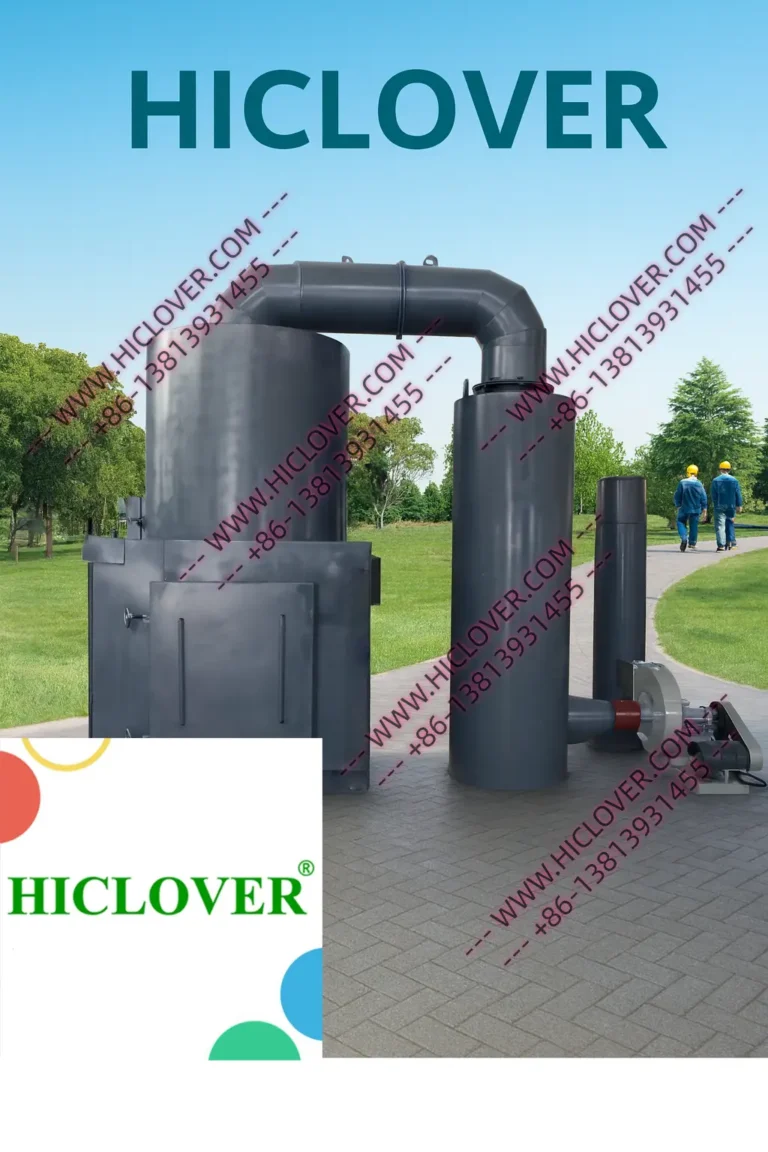
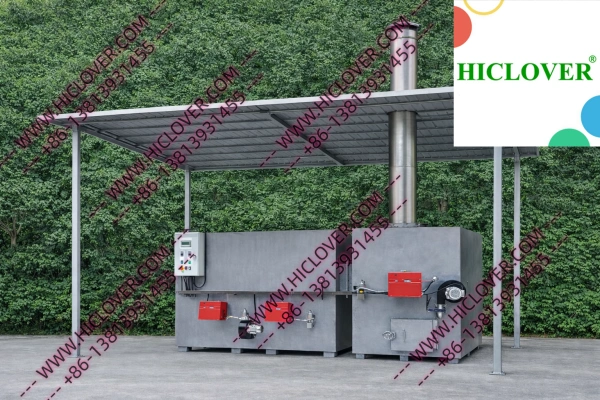
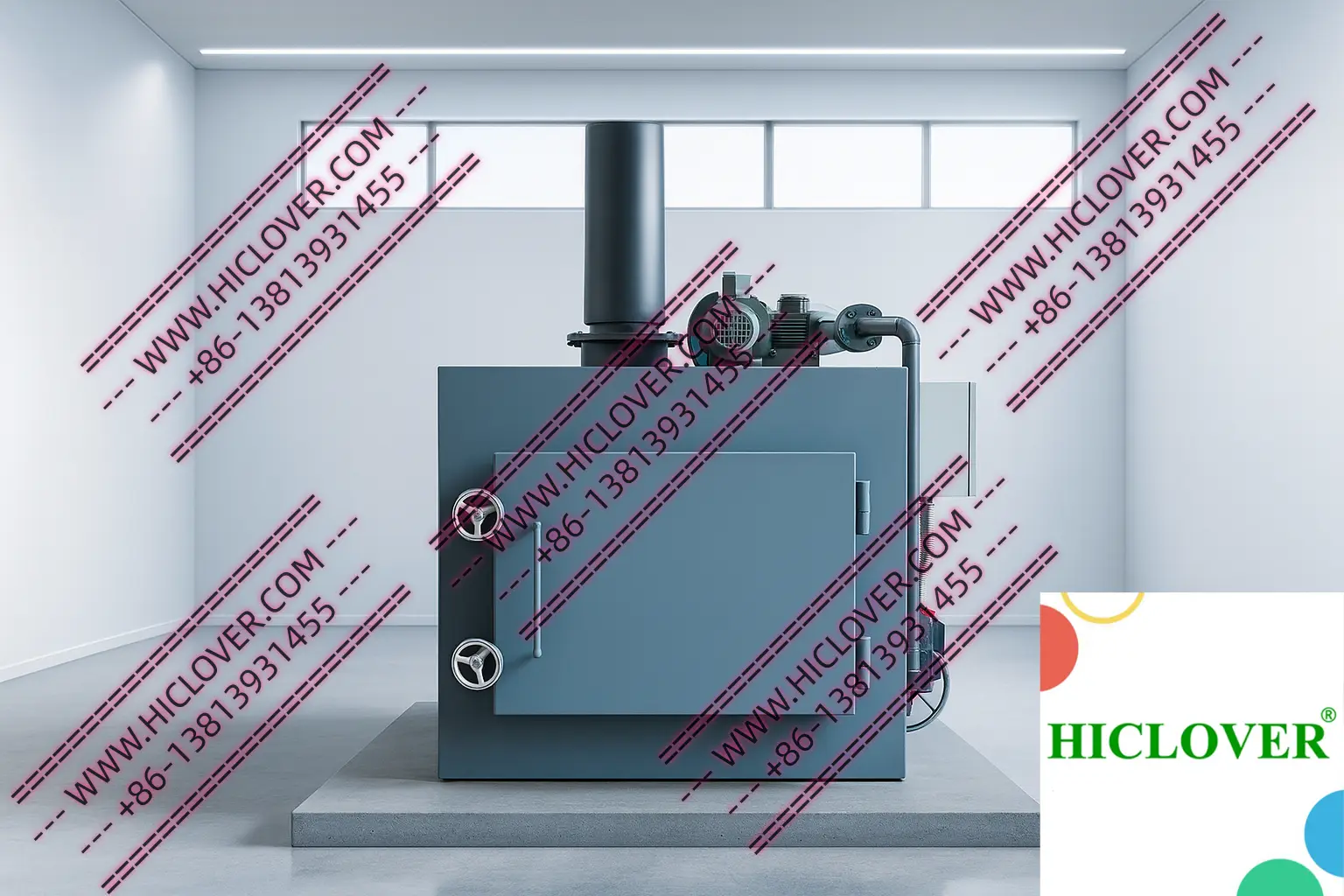
The effective thermal destruction of waste streams requires robust engineering, precise temperature control, and adherence to stringent international standards. A HICLOVER waste incinerator is designed to meet these criteria, serving as a critical infrastructure component for industries ranging from healthcare to municipal solid waste management. The operational efficacy of these systems is governed by fundamental principles of combustion science and materials engineering, ensuring high destruction and removal efficiency (DRE). Adherence to HICLOVER waste incinerator operating temperature standards is paramount, with primary combustion typically maintained between 650°C and 850°C and secondary combustion exceeding 1100°C. This dual-chamber approach, backed by reliable engineering, guarantees the breakdown of complex organic compounds and pathogens, positioning these waste incinerators as a definitive solution for complex disposal challenges.
Core Combustion Principles and Regulatory Compliance
The performance of any thermal waste treatment system is fundamentally defined by its ability to achieve complete combustion while minimizing harmful emissions. This is accomplished through a multi-stage process that leverages controlled airflow, high temperatures, and sufficient gas residence time. HICLOVER systems are engineered around these core principles to ensure they meet or exceed global environmental and health regulations, making them a viable asset for organizations focused on ESG compliance and operational safety.
Dual Chamber Combustion Dynamics
Modern waste incinerators operate on a dual-chamber combustion model to ensure the thorough destruction of waste materials and the gaseous byproducts of initial combustion. This layered process is critical for managing diverse waste streams, from general solid waste to more hazardous materials.
- Incinerator Primary Chamber: This is the initial stage where solid waste is loaded and subjected to pyrolysis and gasification. Operating temperatures are maintained within a range of 650°C to 850°C. In this oxygen-starved environment, volatile compounds are vaporized from the solid waste, creating a combustible syngas. The design of the incinerator primary chamber is critical for handling the specific density and composition of the feed material, ensuring a steady, controlled burn rate.
- Secondary Combustion Chamber (Afterburner): The syngas and particulates from the primary chamber are directed into the secondary chamber. Here, excess air and high temperatures (typically 1100°C to 1200°C) are introduced by a dedicated burner system, often sourced from reputable manufacturers like Italy’s Riello. This stage is designed to achieve complete combustion of all remaining organic constituents, including hazardous compounds like dioxins and furans.
Adherence to International Emission Standards
Compliance with environmental regulations is a non-negotiable aspect of modern waste management. HICLOVER systems are designed with these frameworks in mind, particularly guidelines set by the World Health Organization (WHO) and directives from bodies like the European Union. The key to compliance lies in the “3Ts” of combustion: Temperature, Time, and Turbulence.
- Temperature: As noted, the secondary chamber must operate at temperatures high enough to break down persistent organic pollutants (POPs). For chlorinated wastes, temperatures above 1000°C are often mandated.
- Time: The flue gases must be retained in the secondary chamber for a sufficient duration to ensure complete destruction. A minimum residence time of two seconds is a common international standard, particularly for medical and hazardous waste.
- Turbulence: Proper mixing of the hot gases with combustion air is essential for ensuring that all particles and gas molecules are exposed to the high temperatures. This is achieved through the engineered design of the chamber’s internal geometry and airflow injection points. Investors and operators can review specific regulatory requirements through resources like https://www.google.com/search?q=EU+Industrial+Emissions+Directive+for+waste+incineration.
The Critical Role of High-Temperature Retention
Maintaining stable, high temperatures is not merely a regulatory requirement; it is a functional necessity for ensuring public and environmental safety. The high-temperature environment in the secondary chamber of a HICLOVER waste incinerator is responsible for achieving a DRE of 99.99% or higher for most organic compounds. This is particularly crucial in the context of global infectious disease preparedness, where the complete destruction of pathogens, viruses, and prions in clinical waste is essential. The robust refractory lining and insulation within the chambers are engineered to minimize heat loss, ensuring thermal stability and operational efficiency, thereby reducing fuel consumption and contributing to a more favorable carbon footprint.
System Configuration and Application Suitability
The selection of an appropriate waste incineration system depends on a variety of factors, including the type and volume of waste, the operational location, and the level of automation required. A key advantage for business partners is the ability to source systems tailored to specific operational contexts, from permanent industrial facilities to temporary remote camps. HICLOVER’s manufacturing capabilities allow for a high degree of customization, addressing the growing trend of decentralized waste management and the need for resilient infrastructure.
Fixed vs. Containerized Modular Systems
The physical configuration of the incinerator determines its portability, installation time, and suitability for different environments. This choice is a primary consideration during the commercial investigation phase.
- Fixed Incinerators: These are permanent installations designed for long-term, high-volume operations at a single site, such as a hospital, a large industrial plant, or a municipal waste facility. They are typically larger and may be integrated with extensive automated loading and de-ashing systems. A fixed incinerator for solid waste offers the highest throughput for centralized processing.
- Containerized Modular Systems: HICLOVER specializes in these “plug-and-play” solutions, where the entire incinerator system, including fuel tanks and control panels, is housed within a standard ISO shipping container. This design offers significant advantages for remote or temporary sites, such as mining and oil camps, humanitarian crisis zones, and military bases. The mobile modular design drastically reduces on-site civil works and installation time, providing a rapid deployment capability that enhances supply chain resilience for critical operations.
Control Systems: PLC vs. Manual Operation
The level of automation directly impacts operational efficiency, safety, and data management. The ongoing trend of digital automation in industrial equipment makes PLC-controlled systems increasingly standard for new investments.
- PLC (Programmable Logic Controller) Automation: A PLC-controlled HICLOVER waste incinerator offers precision management of the entire combustion cycle. The system automates burner modulation, damper adjustments, temperature monitoring, and safety interlocks. This reduces the potential for operator error, optimizes fuel consumption, and ensures consistent compliance with emission standards. Furthermore, PLCs provide extensive data logging capabilities, which are essential for generating reports for regulatory bodies and supporting corporate ESG initiatives.
- Manual Control: For smaller-scale applications or in contexts where capital cost is the primary driver, manual systems are available. While effective, they require more intensive operator training and supervision to maintain optimal combustion parameters.
Flue Gas Treatment Options: Dry vs. Wet Scrubbers
Post-combustion flue gas treatment is often necessary to remove acid gases (like HCl and SO₂), heavy metals, and particulate matter to comply with strict air quality regulations. The choice between a dry and wet scrubber system depends on the waste composition and the specific pollutants targeted.
- Wet Scrubber: This system uses a liquid (typically water with a neutralizing agent like lime) to “scrub” the flue gas, absorbing gaseous pollutants. It is highly effective for removing acid gases.
- Dry Scrubber (or Semi-Dry): This process involves injecting a dry reagent, such as hydrated lime or activated carbon, into the flue gas stream to neutralize acids and adsorb pollutants. Dry systems avoid the creation of a liquid effluent stream, which can simplify permitting and wastewater management. HICLOVER offers both wet and dry scrubber systems as optional, integrated modules, allowing for a complete, end-to-end waste destruction and emission control solution.
Manufacturing Capabilities and Supply Chain Advantages
For investors and business partners, the source of the technology is as important as the technology itself. Partnering directly with a manufacturer provides significant advantages in terms of technical support, customization, and long-term reliability. A stable and experienced manufacturing partner mitigates supply chain risks and ensures the delivered equipment aligns perfectly with project specifications.
The Value of Factory-Direct Engineering
HICLOVER operates as a dedicated manufacturer with over 16 years of