HICLOVER Waste Incinerator Systems: A Technical Analysis for Reliable Waste Management
HICLOVER Waste Incinerator Systems: A Technical Analysis for Reliable Waste Management
The industry is rapidly evolving under the pressures of global infectious disease preparedness, ESG compliance, and carbon emission reduction pressure. In this context, the **HICLOVER incinerator for pharmaceutical waste** is designed to meet industrial standards with precise engineering reliability and a temperature range that adheres to strict medical incinerator operating temperature standards. This waste incinerators technology offers a robust dual combustion chamber process, ensuring efficient combustion by retaining high temperatures and meeting regulatory requirements such as WHO and EU emission frameworks. As procurement managers and decision makers assess options, the balance between technical accuracy and operational flexibility in systems like the **Mauritania smart ash incinerator** becomes critical, especially when also considering **HICLOVER incinerator troubleshooting** challenges.
Technical Specifications and Engineering Principles
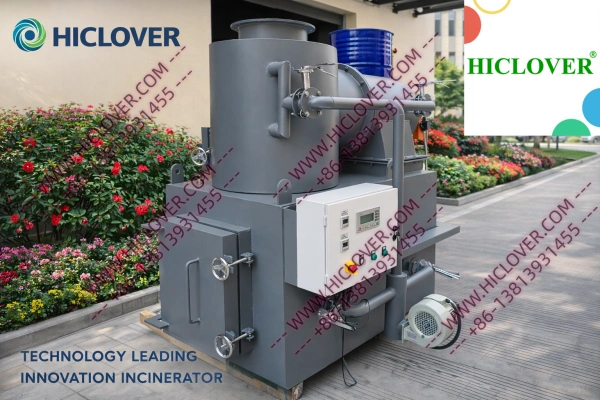
HICLOVER waste incinerator systems are engineered with multifaceted technical criteria in mind. The systems incorporate a dual combustion chamber design which is essential for achieving complete combustion within preset temperature limits. This dual chamber setup serves as a foundation to control toxic by-products and meets globally recognized industrial standards. The technology is built with containerized modular systems that favor remote site suitability, such as crisis zones or decentralized waste management applications. These features, combined with PLC automation and a mobile plug-and-play design, allow HICLOVER to offer a system that can handle diverse waste streams ranging from medical to general solid waste incinerators.
The core design leverages precise combustion principles. High-temperature retention is critical not only to meet the temperature range required but also to ensure that harmful residues are minimized. Engineers account for temperature variances using a combination of PLC control and both wet and dry scrubber options, tailored to local regulations and environmental standards. The system is further enhanced by the ability to utilize multiple fuels—diesel, LPG, or natural gas—ensuring flexibility and operational efficiency under various conditions. Advanced sensors monitor combustion parameters closely, and any anomalies trigger **HICLOVER incinerator troubleshooting** protocols, ensuring minimal downtime and consistent performance.
Factory direct supply is a significant advantage of HICLOVER waste incinerators. Unlike trading companies that often face delays and inconsistent quality, HICLOVER emphasizes direct manufacturing prowess, robust supply chain stability, and comprehensive engineering experience. This direct approach not only speeds up procurement processes but also contributes to long-term service reliability, especially in environments demanding remote operational readiness such as crisis zones & humanitarian camps or remote mining/oil camps.
For more detailed technical specifications and automation insights, visit the engaging resource available at HICLOVER official website, which outlines the state-of-the-art design elements that set the system apart from competitors.
Combustion Control, Scrubbing Options, and Automation
A pivotal aspect of any waste incinerator is its combustion control mechanism. The HICLOVER system utilizes a dual-chamber design that maximizes combustion efficiency. The primary chamber ensures swift decomposition of pharmaceutical and other hazardous wastes, while the secondary chamber provides additional heat retention. This dual approach is directly aligned with current regulatory requirements and reflects the latest industrial best practices. With **HICLOVER incinerator troubleshooting** protocols built into its automated system, operators can quickly identify and rectify issues such as temperature deviations or fuel inconsistencies.
Modern waste incinerators must also address emission control effectively. Engineers provide either factory-customized dry scrubbers or wet scrubbers based on client requirements and environmental mandates. For instance, while dry scrubbers are typically favored in remote mining camps due to simplified maintenance, wet scrubbers may be preferred in urban installations where stringent emission control is mandatory. Additionally, the modules come with an integrated PLC system that facilitates remote monitoring and adjustments, a necessary feature in today’s operations that rely on digital automation in industrial equipment.
A detailed technical breakdown of combustion principles, including secondary chamber temperature regulation can be found through this resource: medical+incinerator+secondary+chamber+temperature+